Playtime is more than just fun for babies; it's a fantastic way to build confidence. When babies engage with toys, they start to explore their surroundings, pushing boundaries and discovering what they can do. Every new sound, texture, or color can spark curiosity and encourage them to take risks, leading to big strides in their emotional growth.
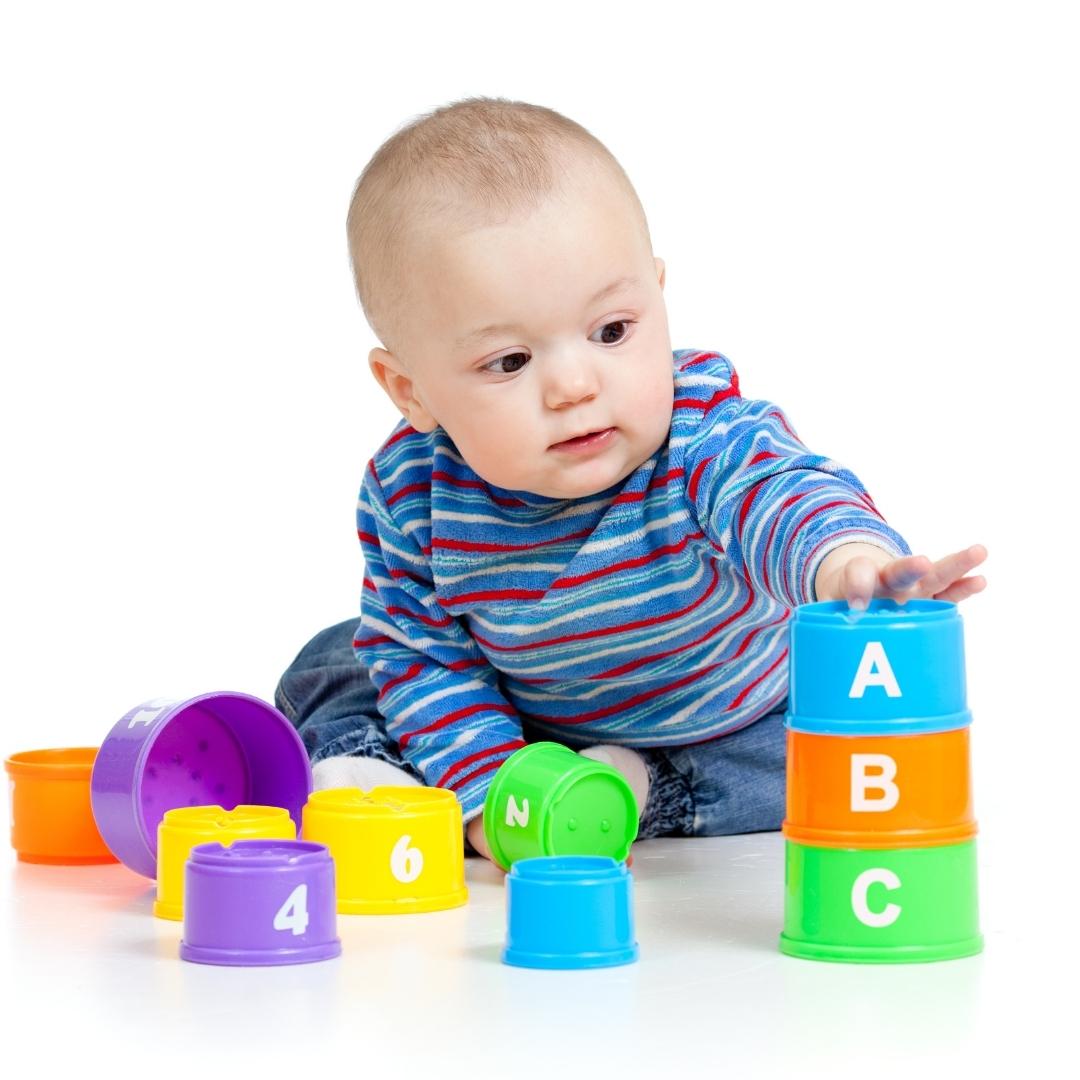
Choosing the right toys can make a world of difference. Look for toys that are colorful, interactive, and safe for little hands. Soft blocks, rattles, and stacking toys are not only entertaining but also help babies learn to solve problems. When a baby figures out how to stack a block just right, they gain a sense of accomplishment that boosts their confidence. Every little achievement counts!
Sensory toys are another excellent choice. Toys that squeak, crinkle, or have different textures engage babies' senses and encourage exploration. This type of play allows them to express their emotions and practice dealing with frustration or excitement. As babies learn to play independently, they also start to feel more secure and self-assured.
Playing with others, like siblings or parents, can also enhance emotional growth with playing toys. Shared playtime fosters social skills and builds trust. When parents cheer them on or join in their activities, babies learn that their efforts are valued. This positive reinforcement can greatly impact their self-esteem, making them feel loved and supported while they grow.
Encouraging Social Skills in Tiny Friends
As babies grow and explore the world, their social skills start to bloom, and playing toys can be a big help in this area. When little ones engage with toys, they’re not just having fun; they’re learning how to interact with others. It’s all about exploring feelings and relationships in a gentle way.
One great way to encourage social skills is through toys that promote sharing and cooperation. Look for options like stacking blocks or pull-along toys that can be enjoyed with a buddy. These toys can turn playtime into an opportunity for babies to learn about taking turns and working together.
Don’t forget about role-playing toys! Playsets that include dolls or figures allow little ones to mimic everyday situations, helping them understand emotions and social cues. It’s amazing to see how they begin to express themselves, relate to others, and practice empathy—all crucial parts of emotional growth with playing toys.
Music and rhythm toys are also fantastic for encouraging social interaction. When babies and toddlers shake a rattle or bang on a drum together, they bond through rhythm and movement. These playful moments not only boost their mood but also help them connect with those around them in a joyful way.
Boosting Imagination with Fun Toys
When it comes to babies, toys aren't just for fun—they're key players in emotional growth with playing toys. From the moment they grasp a colorful block or squish a soft teddy bear, babies start to explore their feelings, develop skills, and learn how to interact with the world around them.
Fun toys can spark a world of imagination. Think about plush animals that become a child's best friend or building blocks that turn into towering castles. These experiences help babies express their emotions and understand different scenarios—like sharing with friends or comforting a favorite plushie when they're feeling down.
When you choose toys that encourage fun and creativity, you're not just adding entertainment; you're investing in your child's emotional growth with playing toys that truly matter. Each play session is a step towards helping them navigate their feelings and build healthy social connections as they grow.
Understanding Feelings with Playtime Activities
Playtime activities aren't just about fun; they're a key part of emotional growth with playing toys for babies. When little ones interact with their toys, they're exploring their feelings and learning to express themselves. This playful engagement helps young minds understand different emotions, like happiness, frustration, and excitement.
As babies shake, rattle, and roll their toys, they're not only amused but also developing essential emotional skills. Here are some ways playtime can help:
Through these activities, babies can start recognizing their feelings and those of others. This is a foundational step in building their emotional toolkit, giving them the confidence to explore their world and relate to the people in it. So, next time you see your little one engrossed in their toys, remember they’re not just having fun—they're growing emotionally, too!