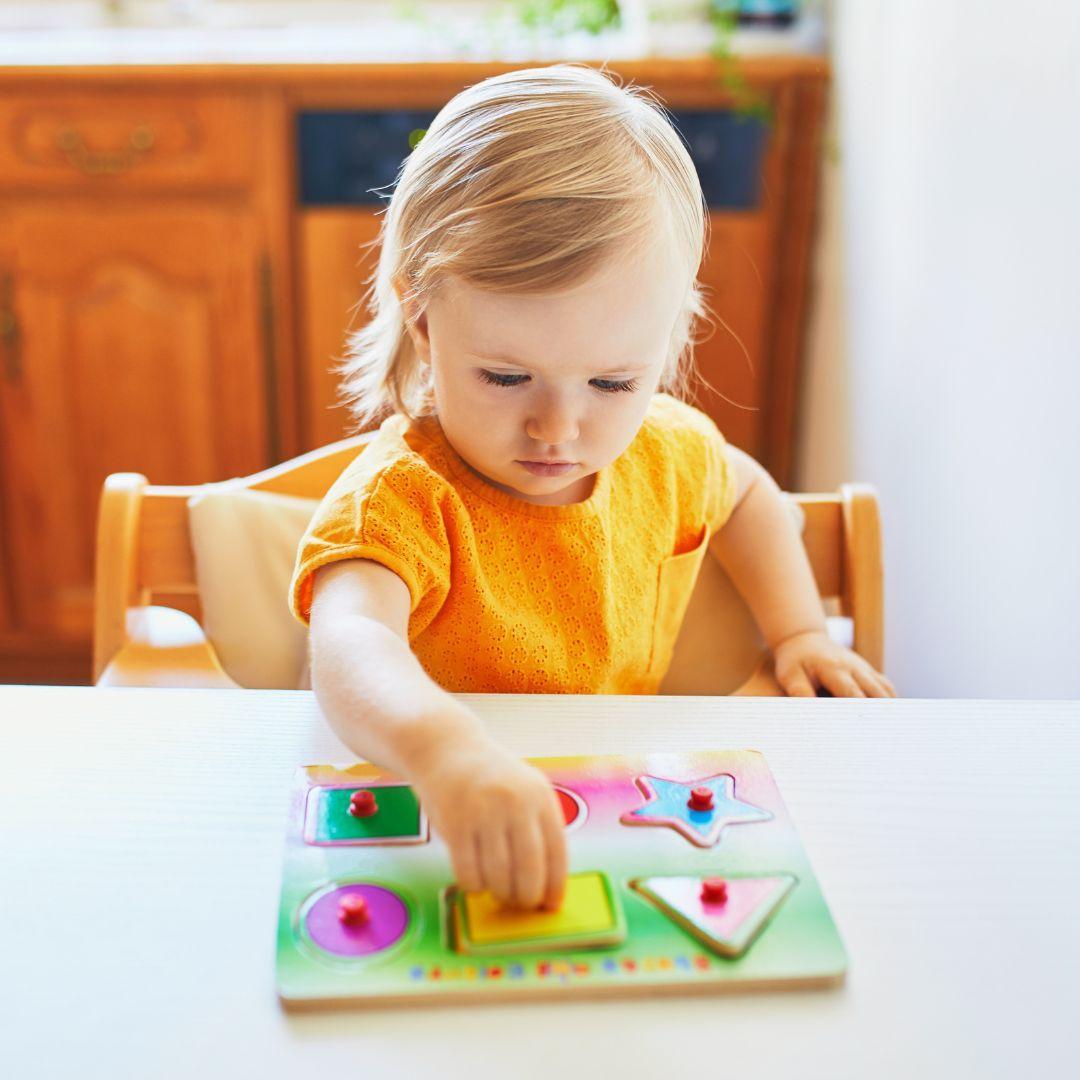
If you’re looking to mix fun and learning, simple puzzles are a fantastic way to keep minds engaged. Whether you’re playing with toddlers or involving grandparents, puzzles can spark creativity and boost problem-solving skills. So, let’s dive into some puzzle ideas that cater to a variety of ages and interests!
For the little ones, consider interactive wooden puzzles featuring animals or letters. These are colorful, sturdy, and perfect for tiny hands. They help toddlers with hand-eye coordination and boost their vocabulary as you name each piece together. Plus, they can enjoy stacking and sorting—making playtime both educational and entertaining!
For older kids, look for 3D puzzles or themed jigsaw puzzles. These require a bit more thought and can capture their imagination, especially with themes like space, dinosaurs, or their favorite cartoons. You can even turn it into a family challenge—who can put it together the fastest? This adds a fun twist and encourages team play.
And let’s not forget about adults! Simple puzzles designed for grown-ups can come in the form of brain teasers or complex jigsaws. These activities can be great stress relievers at the end of a long day. Set aside some time to unwind by working on a puzzle together, and see how satisfying it can be to finally fit that last piece!
No matter the age group, simple puzzles are a great addition to your playtime. They can enrich your child’s learning experience and also bring everyone together for some quality time. So, grab a puzzle that fits the age and interest of your group, and start building those memories!
Creative Benefits of Simple Puzzles
Simple puzzles are more than just a fun way to pass the time; they come with some pretty awesome benefits that can spark creativity in kids and adults alike. When you sit down with a simple puzzle, you start honing your problem-solving skills. Trying to figure out where each piece fits requires you to think critically and explore different possibilities. This kind of thinking can spill over into everyday situations, helping you tackle challenges with a fresh perspective.
Another great thing about simple puzzles is how they promote concentration. When you're focused on fitting those pieces together, it's like giving your brain a mini workout. This kind of focus isn't just helpful for puzzles; it can translate to better attention spans in other tasks, like homework or creative projects. Plus, the sense of accomplishment when you finally complete a puzzle can boost your confidence and inspire you to tackle even more complex challenges.
Simple puzzles also encourage social interaction. Whether you’re working alongside a friend or family member, puzzles create great bonding moments. You can chat, strategize, and even share laughs about the tricky pieces. This quality time can strengthen relationships and make learning feel like less of a chore. Plus, introducing puzzles to playtime can help little ones learn to collaborate and communicate, which are key skills for their development.
Don’t underestimate the simple yet powerful creative benefits of simple puzzles. They’re not just for quiet time; they can be a gateway to imaginative play. When you let loose and see beyond the picture on the box, you can turn a puzzle into a storytelling adventure. Create a tale around the image as you work, or build a whole new world using the different pieces. Each puzzle can spark a unique experience that blends play and learning seamlessly.
Tips for Choosing the Right Puzzle
When you're diving into the world of puzzles, there are a few key things to keep in mind to ensure you pick the best one. Simple puzzles can be a delightful way to stimulate creativity and enhance problem-solving skills. Here are some tips to help you choose wisely!
Fun Ways to Incorporate Puzzles into Play
Puzzles are more than just a fun way to pass the time; they’re a fantastic tool for learning and play! Simple puzzles can spark creativity in kids while helping them develop important skills. Here are some fun ways to incorporate puzzles into your playtime routine.
1. Puzzle Scavenger Hunt: Hide puzzle pieces around the house or yard and create a scavenger hunt. Kids can search for pieces and then work together to assemble the puzzle. This encourages teamwork and keeps them active while they play!
2. Storytime Integration: Use simple puzzles that feature characters or scenes from their favorite stories. After reading, have them complete the puzzle and discuss the story. This not only reinforces comprehension but also allows them to engage with the material in a hands-on way.
3. Puzzle Art: Once you’ve completed a simple puzzle, encourage kids to decorate the pieces with paints or stickers. This adds a creative twist, letting their artistic side shine. It’s a fun way to personalize their puzzles and keep using them even after they've been put together.
4. Themed Learning Days: Choose a theme for the day—like animals, space, or transportation—and gather related simple puzzles. You can combine solving the puzzles with themed crafts or learning activities, making it an exciting and interactive learning experience.